Pollinator Passport Literacy Program
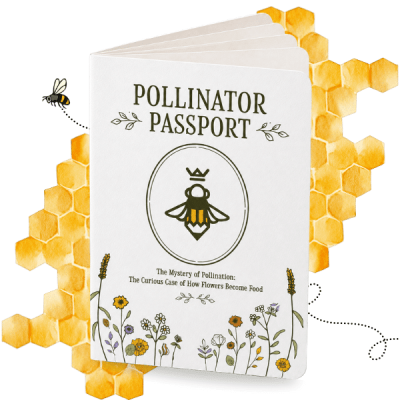
The Mystery of Pollination:
The Curious Case of How Flowers Become Food
The Curious Case of How Flowers Become Food
A Pollinator Passport Literacy Adventure
Calling all pollination detectives! Something is happening to the blooms, and we need your students on the case!
The Pollinator Passport program is a hands-on, story-driven classroom adventure that invites students to read, investigate, explore outdoors and follow the clues to uncover one big mystery:
Why are all the blooms disappearing, and what can we do to help pollinators thrive?

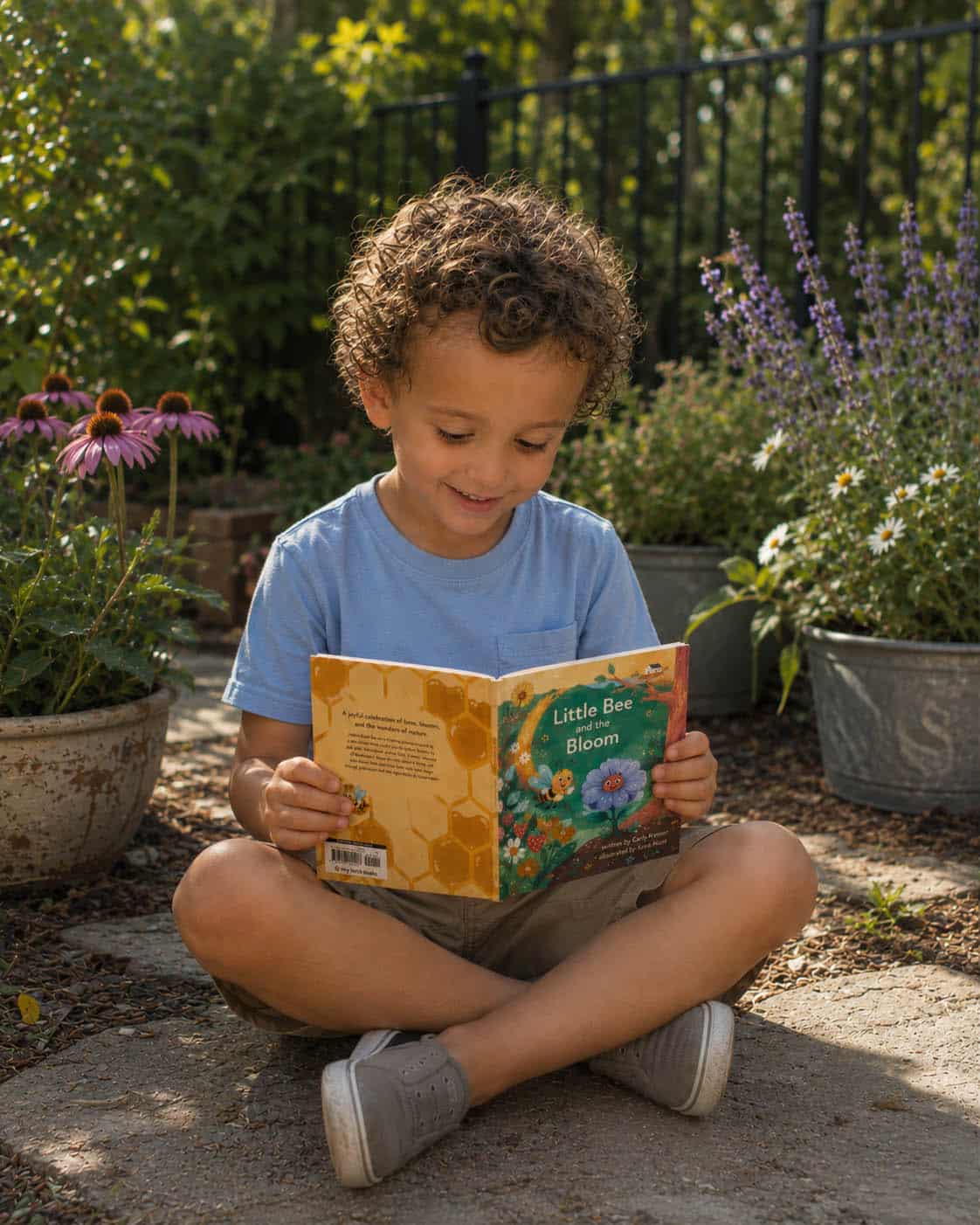
Start with Little Bee and the Bloom
Centered around Little Bee and the Bloom by Carly Kremer, students become pollination investigators as they explore bees, blooms, food, habitat and environmental stewardship.
Along the way, students collect evidence, complete field missions and hands-on activities, and stamp their Pollinator Passports as they move through five stages of investigation.
Made Possible by Beekeeper’s Naturals
The inaugural Pollinator Passport was created in partnership with Beekeeper’s Naturals, a fellow mission-aligned organization with a shared commitment to bees, people and the planet.
5 Stages. Your Schedule.
Teach the adventure over five days, five class periods or five weeks, or adapt it to fit your existing instructional plan.
Wonder
Observe and Ask Questions
WONDER invites students to begin the pollination journey with curiosity by observing flowers, asking questions, and making predictions about how pollen moves from flower to flower. Students explore basic flower parts, pollen, and the idea that flowers need helpers, setting the foundation for understanding pollination through discussion, drawing, and outdoor observation.
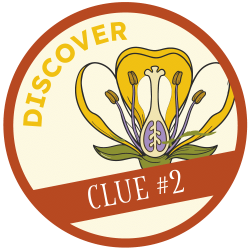
Discover
Learn How Pollination Works
DISCOVER helps students investigate the many helpers that move pollen, including bees, butterflies, birds, bats, wind, and other beneficial insects. Through observation, discussion, and sensory activities, students learn how different pollinators interact with flowers and why each plays an important role in healthy ecosystems.
Connect
Identify what pollinators and plants need
ACT invites students to turn learning into stewardship by identifying ways to support pollinators at school, at home, and in their communities. Students explore pollinators’ basic needs, assess outdoor spaces, and create action plans that may include planting native flowers, providing water and shelter, protecting nesting spaces, reducing mowing, and teaching others.
Explore
Collect Data + Find Patterns
EXPLORE helps students connect pollinators to food diversity, healthy ecosystems, and human nutrition. Through honey tasting, sensory science, observation, and discussion, students investigate how different flowers support different pollinators and how pollination shapes the colors, flavors, and variety of foods we eat.
Act
Take action to support pollinators
ACT invites students to turn learning into stewardship by identifying ways to support pollinators at school, at home, and in their communities. Students explore pollinators’ basic needs, assess outdoor spaces, and create action plans that may include planting native flowers, providing water and shelter, protecting nesting spaces, reducing mowing, and teaching others.
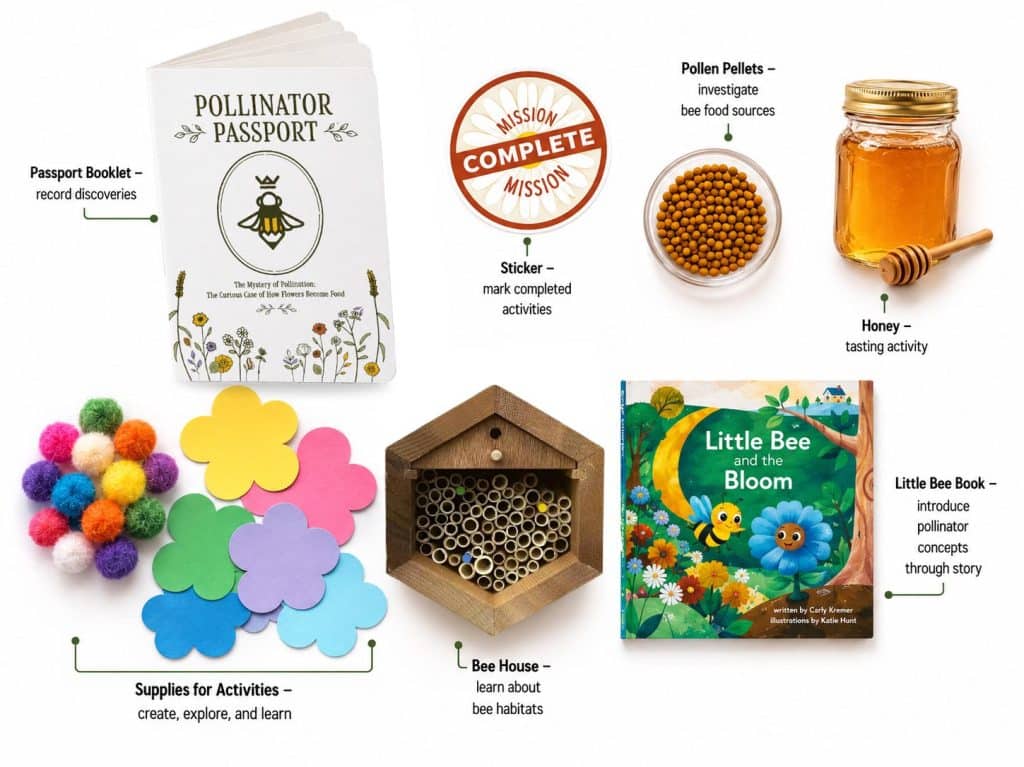
Pollinator Adventure Kit
Your Pollinator Adventure Kit gives you the tools and resources you need to take your students from their first clue to their final passport stamp. Take a peek inside our educator kit and discover everything you need to begin the Pollinator Passport adventure.
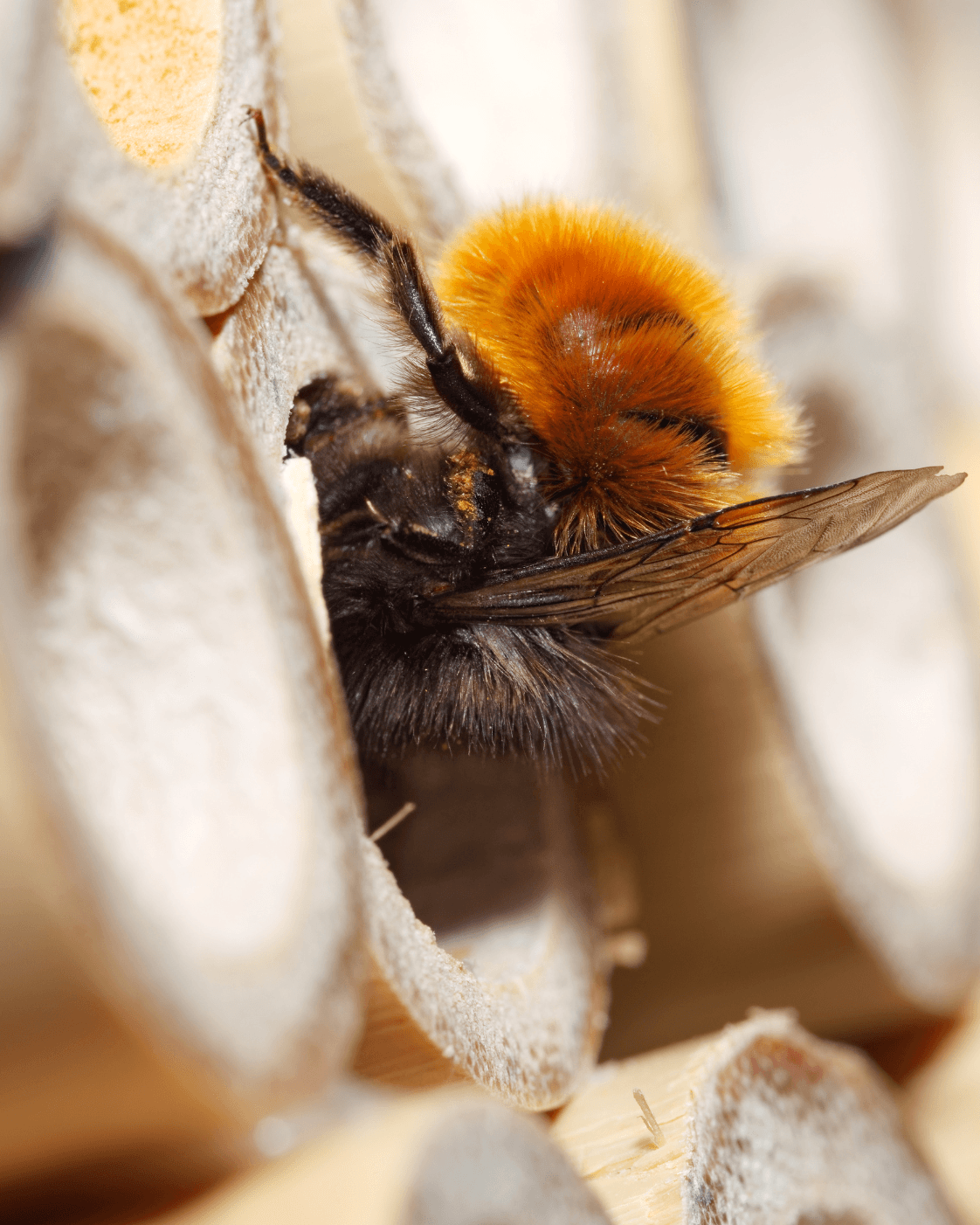
Welcome Native Bees
Your Pollinator Passport kit includes a Cabana Bee House from Crown Bees, designed to provide nesting space for native solitary bees. A little know-how goes a long way in creating a safe, successful habitat. Use these resources to learn where to place your bee house, how to care for it throughout the seasons and what to look for as new residents move in.
Case Closed!
Your pollination detectives have wondered, discovered, connected, explored and acted. They’ve followed the clues from flower to food and discovered just how important pollinators are to the world around us.
But every good detective knows solving the mystery isn’t the end of the story.
Keep observing. Keep asking questions. Keep helping pollinators.
Until the next adventure…